Getting Started with GrimKeep
Platforms, price, first hero, map routing, and what to unlock before your second run.
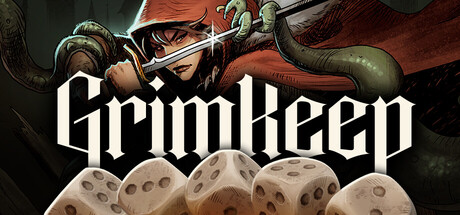
GrimKeep is a single-player grimdark roguelite dice-builder from Resolution Games. You push through a cursed fairytale city, roll a bag of dice into poker- and Yatzy-style combos, stack cursed items, and try to reach the castle so you can end the Princess. This getting-started guide is the day-one path: what the game is, where it launches, how the core loop feels, which hero to take first, how to read the node map, and what progress you should chase between runs. Pair it with How to Play once you want a fuller systems walkthrough, and keep Combat & Dice open when fights start asking hard Mult questions.
Platforms, price, and launch window
GrimKeep launches November 30, 2026 for $14.99 USD. Confirmed platforms are Steam (Windows and macOS) and PlayStation 5. Official materials describe a focused single-player campaign with runs that typically land in a mid-length session window rather than a hundred-hour live-service grind. Before launch night, double-check the calendar and store pages on the release date page and confirm your PC against system requirements. Wishlisting on Steam or PlayStation is the safest way to catch launch discounts, demo follow-ups, and day-one patches.
A Steam demo ran during and around Steam Next Fest in October 2026. That slice featured the Outskirts region from start through a boss fight, introduced The Huntress and The Beast as opening heroes, and let players unlock The Feral. Persistent upgrades carried between demo journeys, which is a useful preview of how meta progress feels in the full game. The full release expands beyond Outskirts with more regions, the remaining heroes, 200+ items, 60+ monsters, seven dice types, 30 hero skills, plus full access to the Crucible and Ritual crafting systems.
What you are actually doing each run
Every journey is a roguelite climb across a node map. Most nodes are combats. Between them you will see shops, elites, campfires, and stranger encounters that can help or hurt. Combat itself is turn-based dice work: you roll five dice, spend free rerolls, lock in a combo package, and feed dice points plus combo points through a Mult multiplier before damage lands. Dice you do not submit for the attack can become defense. Enemies telegraph intents, so you are rarely guessing whether the next hit is a slap or a run-ender. Items in a small inventory rewrite the math — Mult bonuses, status dice, gold generation, heals, stuns — until early double-digit hits grow into thousands and, on strong builds, six-figure spikes.
That loop is why “getting started” is less about memorizing a button chart and more about learning three habits:
- Cut noise from the bag. Extra weak dice dilute the combos you want.
- Spend gold and risk on identity. Shops and elites should feed one plan, not five half-plans.
- Respect defense. A Mult stack that dies to the counterattack is a failed run.
For the mechanical deep dive, move to the combat guide. For turning loot into a coherent machine, use builds and synergies.
First hero choice: Huntress or Beast
Two heroes are available immediately. Both are viable; they teach different muscles.
The Beast is the forgiving tank. Official and demo materials put him around 250 HP with a lean starting gold pile (about 10). His signature is flexible rerolling: after free rerolls, he can keep going by spending health (commonly described as 10 HP per extra reroll). He starts with kit pieces such as the Wide Hat that support that high-roll lifestyle. Beast is ideal if you want to learn combo shapes without panicking when the first roll looks ugly.
The Huntress is the patient optimizer. She sits nearer 200 HP with a healthier gold start (about 50). She keeps unused rerolls between combat rounds, which rewards discipline. Starting tools associated with her kit include the Chisel and the Wolf Tooth Necklace, which lean into Mult and reroll-count synergies. Developers openly call her a challenge-minded opener: bank rerolls, then cash them when items that scale with unused rerolls come online. If you like planning two turns ahead, take Huntress.
The Feral is the first locked hero many players unlock. She is a glassier fighter (150 HP) with a rich gold start (about 200) and a Mult-leaning identity — including Mult gains tied to rolling 6s — plus a heavy starter like the Claymore. Unlock routes in the demo revolved around finding the right extra-die item and completing the related challenge. After Feral, the roster opens into Once Prince, Prisoner, Tailor, and Dunce. Full kit pages live on the heroes hub; comparative strength talk belongs on the tier list once you understand Mult math.
Map routing for your first clears
Treat the node map like a budget. Early fights pay for shops. Shops pay for bag quality. Bag quality pays for elites. Elites pay for the power spike you need before the region boss. Campfires are not optional flavor — they are the difference between a greedy Mult line and a dead run. Random encounters can print value or tax you; only gamble when your HP and gold buffer can absorb a bad story beat.
In the Outskirts demo path, players who raced elites without a defense plan often bounced, while players who trimmed the bag and bought one coherent Mult item cleared more consistently. Carry that lesson into the full game’s extra regions: every new biome raises monster HP and intent damage, so your routing should accelerate item identity rather than collecting “maybe later” trinkets.
What to unlock and chase between runs
Failed runs still teach the bag. Prioritize:
- Hero unlocks so you can match kits to the items you actually find.
- Hero skills (30 in the full game) that permanently change how a favorite character spends rerolls, gold, or Mult.
- Comfort with Crucible and Ritual once you leave the demo mindset — Crucible melts items into new combinations; Ritual adds abilities onto pieces you want to keep. Both are covered in builds and synergies.
- Mechanical literacy from How to Play so you stop submitting single combos when the rules reward multi-combo submissions.
Do not obsess over a perfect first clear. Obsess over cleaner bags, cleaner shops, and cleaner reads of enemy intents. That is the real onboarding curve.
Day-one checklist
- Confirm platform and install readiness via system requirements and the release page.
- Start a run as Beast (learning) or Huntress (planning).
- After two fights, open Combat & Dice and practice splitting attack versus defense dice.
- At the first shop, buy toward one Mult identity instead of three random shiny items.
- Bookmark Builds & Synergies and the heroes hub for the next session.
GrimKeep’s fantasy is bleak, but the onboarding is fair: the game shows enemy intents, explains sacrifices in the tutorial, and gives you heroes that either buy rerolls with HP or bank them for later. Learn those levers on day one and every later guide on this wiki becomes easier to use.
Frequently Asked Questions
Quick answers to the most common questions.
When does GrimKeep launch and how much does it cost?
November 30, 2026 for $14.99 USD on Steam (Windows and macOS) and PlayStation 5. See the release date page for store links and calendar details.
Which hero should I pick first?
Beast if you want flexible paid rerolls and a larger HP pool; Huntress if you want to bank unused rerolls and lean into Mult items. Both are unlocked from the start.
Is GrimKeep multiplayer?
No. Official materials describe a single-player turn-based roguelite.
What did the demo include?
The Outskirts region through a boss fight, Huntress and Beast from the start, Feral as an unlock, and persistent upgrades between journeys. Crucible and Ritual are called out as full-game systems.
Where do I learn combat math next?
Read How to Play for the loop overview, then Combat & Dice for rerolls, Mult, defense, sacrifices, and intents.