GrimKeep Items, Crafting Encounters, and Loot Routing
Scavenge 200+ items, melt at the Crucible, layer Ritual abilities, and decide when the Duplicator is worth the risk.
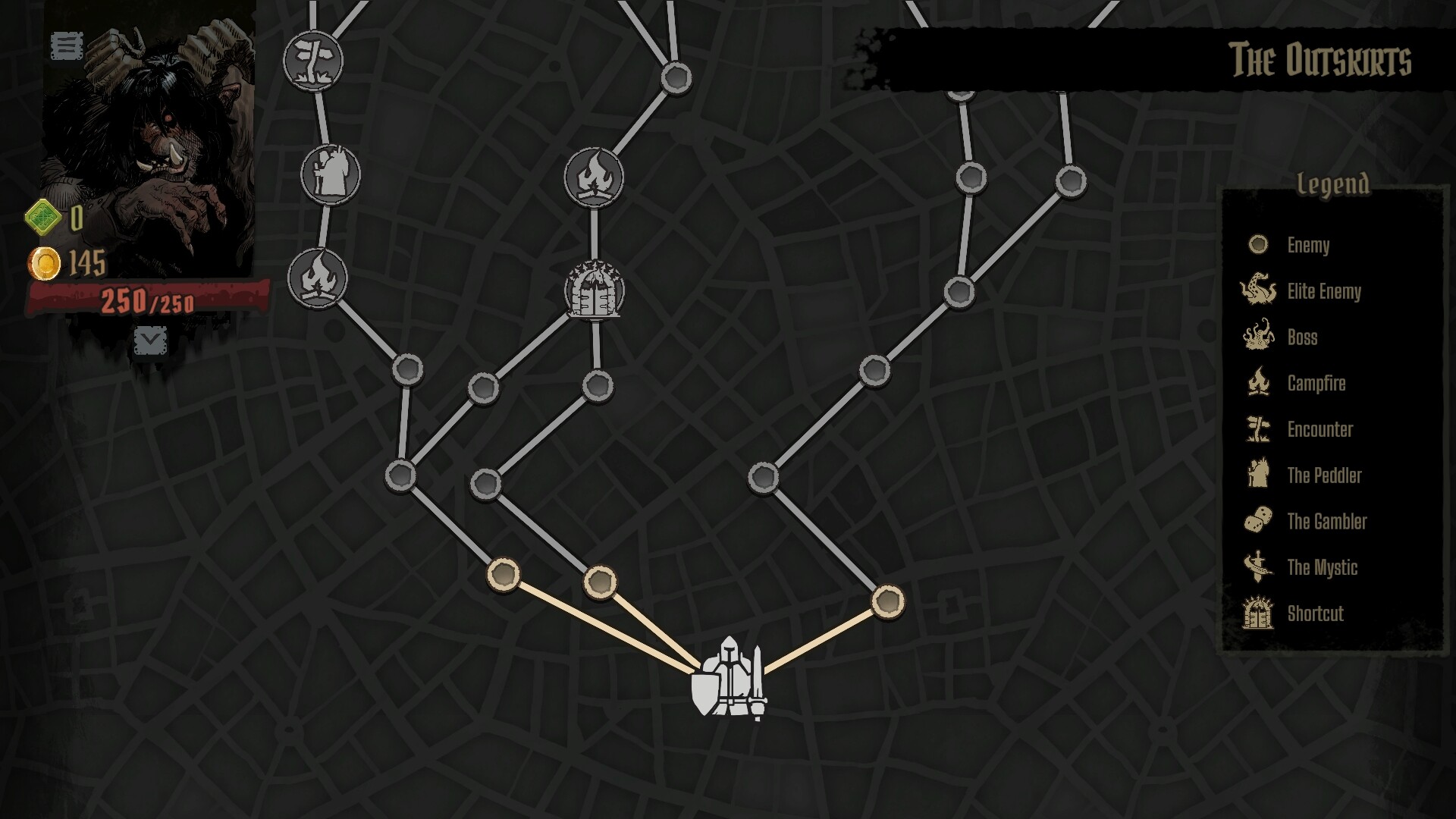
Items are the second half of GrimKeep’s damage fantasy. Resolution Games’ single-player roguelite dice-builder asks you to roll poker- and Yatzy-style combos, then fire the relics you scavenged so ordinary faces explode through Mult. The full launch on November 30, 2026 ships 200+ items with a combinatorial space large enough that no two clears feel identical. This guide covers how loot shows up on the node map, how the three headline crafting encounters from DevLog #10 work — the Crucible, the Ritual, and the Duplicator — and how to choose which encounter to route toward without wrecking a coherent build. Pair it with Builds & Synergies for identity planning, Combat & Dice for turn math, Map Routing for pathing, and the heroes hub for kit-specific loot priorities.
Why items matter more than shiny rarity
A strong GrimKeep run answers one sentence every turn: what wants to be true when the dice settle? Items are how that sentence becomes hardware. Mult seeds, unused-reroll scalers, poison riders, heal tools, gold printers, and stun enablers all rewrite the same five-dice board. Inventory space is tight, so collecting three unrelated legendaries is usually worse than owning two pieces that talk to each other. Shop buys, elite rewards, and stranger encounters should defend one plan — not decorate the backpack.
Evaluate every pickup with four questions:
- Does this raise Mult, combo consistency, defense, or economy for my current sentence?
- Does it need dice faces I already own, or faces I still have to find?
- Does it fight my hero perk (Huntress reroll banking, Beast paid rerolls, Feral sixes, and so on)?
- Can Crucible, Ritual, or Duplicator finish the idea if the raw drop is incomplete?
If (1) is no, skip the art even when it looks cursed and cool.
The Crucible: melt two into one
The Crucible is the melt station. You feed it items so their abilities fuse into something new. Official framing is blunt: further enhance your build by melting items and their abilities into a stronger piece. Treat it as refinement, not a gambling addiction. The important nuance from DevLog #10 is that input order can change the outcome. Feeding A then B is not guaranteed to equal feeding B then A. That ordering sensitivity is why the studio talks about tens of thousands of combinations across the 200+ item pool — the graph of melts is not a simple unordered craft list.
Practical Crucible habits:
- Melt off-plan leftovers when the fused result advances Mult, status, or defense identity.
- Protect your only Mult seed until you have a replacement path; never melt the engine for a random shiny.
- When two near-miss items both almost fit, try the order that puts the ability you care about first, then note the result for the next run.
- Use melts to reduce inventory noise. Late regions punish backpacks full of mismatched leftovers more than they punish a smaller kit with concentrated triggers.
Crucible shines after you already know your sentence. Early Outskirts fights should usually buy or find the seed; mid-run Crucible sessions polish that seed into a boss-ready slot.
The Ritual: chance upgrades that add abilities
Where Crucible remixes, Ritual layers. Ritual is the chance-based upgrade encounter that can add new abilities onto items you want to keep. Use it when a core Mult piece is correct but missing a stun, heal, gold, or combo rider. That is how mid-game kits become late-game engines without restarting the build from zero. Because Ritual is probabilistic, enter with a backup plan: if the roll misses your dream rider, can you still clear the next elite on the current kit?
Ritual pairs especially well with heroes who already lean into one mechanic. Huntress loves Mult and unused-reroll scalers — Ritual riders that refund rerolls or spike Mult on large combo submissions deepen that line. Beast wants heal and consistency tools because paid rerolls tax HP. Feral wants high-face and Mult support so Claymore pressure does not die to the counterattack. Check Players before inventing a Ritual fantasy that fights the perk.
The Duplicator: copy carefully
The Duplicator (the horrific duplicating statue from DevLog #10) copies an item. On paper that is free power: two Mult seeds, two gold printers, two heal anchors. In practice it is a routing and inventory puzzle. Demo patch notes called out a real trap — when inventory was full, the Duplicator could soft-lock the player. A later demo patch fixed that full-inventory trap so you can confirm leaving an item behind. Carry the lesson into the full game: never walk into a Duplicator node without a discard plan. Know which piece you will drop if the copy fills the last slot.
When to greed a Duplicator:
- You already own a clearly best-in-slot item for your sentence.
- You have HP and gold buffers to survive the path that leads there.
- You can cut a weak trinket the same visit so the copy does not bloat the bag.
When to skip:
- Your inventory is full of “maybe later” junk and you have not committed to an identity.
- The only copyable piece is a cute off-plan legendary.
- The route to the statue burns the campfire or shop you actually need.
Choosing which encounter to route toward
Node maps present shops, elites, campfires, and stranger encounters as competing bets. Crafting encounters are high-variance shops of a different flavor. A clean decision tree:
- Need a seed? Prefer shops and combat rewards over Crucible/Ritual until one Mult or consistency piece exists.
- Have a seed but missing a rider? Bias toward Ritual when you can afford a miss.
- Have two near-misses? Bias toward Crucible and think about input order.
- Have a finished best-in-slot? Bias toward Duplicator if inventory management is clean.
- Bleeding HP? Campfires and defensive shops beat greed statues.
Map-level pathing detail lives on Map Routing. The short version: early fights pay for shops; shops pay for bag quality; bag quality pays for elites; elites pay for the spike you need before the region boss. Insert Crucible, Ritual, and Duplicator only when they accelerate that curve instead of detouring it.
Watch the loop in motion
The embedded gameplay trailer below shows the fantasy these systems serve — cursed city atmosphere, dice submissions, and the item-driven damage spikes Resolution Games sells for the $14.99 Steam and PlayStation 5 launch. Use it as mood and loop context, then return here when a crossroads asks Crucible versus Ritual versus Duplicator.
Common loot failures
- Melting your only Mult seed for curiosity.
- Ritual-rolling when a missed rider leaves you soft for the next elite.
- Duplicating into a full inventory without a discard plan (the demo taught that the hard way).
- Ignoring input order at the Crucible and assuming melts are commutative.
- Routing every crafting node while skipping campfires.
- Copying Huntress necklace logic onto a hero that cannot bank rerolls.
Putting it together
A finished GrimKeep item kit is a short feedback loop: the bag rolls faces your relics want, Mult multiplies the result, defense tools survive the intent, and Crucible or Ritual remove the last seams — with Duplicator as the optional greed multiplier when the kit is already honest. That is the same pitch the studio leads with — find items, roll combos, optimize the build — translated into encounter discipline. When a run dies, ask whether combat literacy failed (Combat & Dice), synergy discipline failed (Builds & Synergies), or loot routing failed (this page). Fix one variable per attempt and your clear rate climbs faster than any single lucky drop.
For hero-specific shopping lists, return to the heroes hub. For how demo loot systems expand at 1.0, see Demo vs Full Game. Items win GrimKeep when you route them; encounters only supply the forge.
Frequently Asked Questions
Quick answers to the most common questions.
What does the Crucible do in GrimKeep?
The Crucible melts items and their abilities into something new. Input order can change the outcome, which is why DevLog #10 highlights tens of thousands of possible combinations.
How is Ritual different from the Crucible?
Ritual is a chance upgrade that can add new abilities onto items you want to keep. Crucible remixes pieces into a fused result; Ritual layers riders onto a keeper.
What is the Duplicator and why was it patched?
The Duplicator copies an item. A demo patch fixed a full-inventory trap so you can confirm leaving an item behind instead of getting stuck.
How many items are in the full game?
The full GrimKeep launch targets 200+ items with deep synergy space across Crucible melts, Ritual riders, and Duplicator copies.
When should I route toward a crafting encounter?
After you have a build sentence and a seed item. Prefer shops early, Ritual for missing riders, Crucible for near-miss fusions, and Duplicator only when a best-in-slot piece is safe to copy.