GrimKeep Map Routing and Risk-Reward Paths
Read every crossroads, budget HP for elites, and time Crucible, Ritual, and Duplicator greed without skipping the campfire you need.
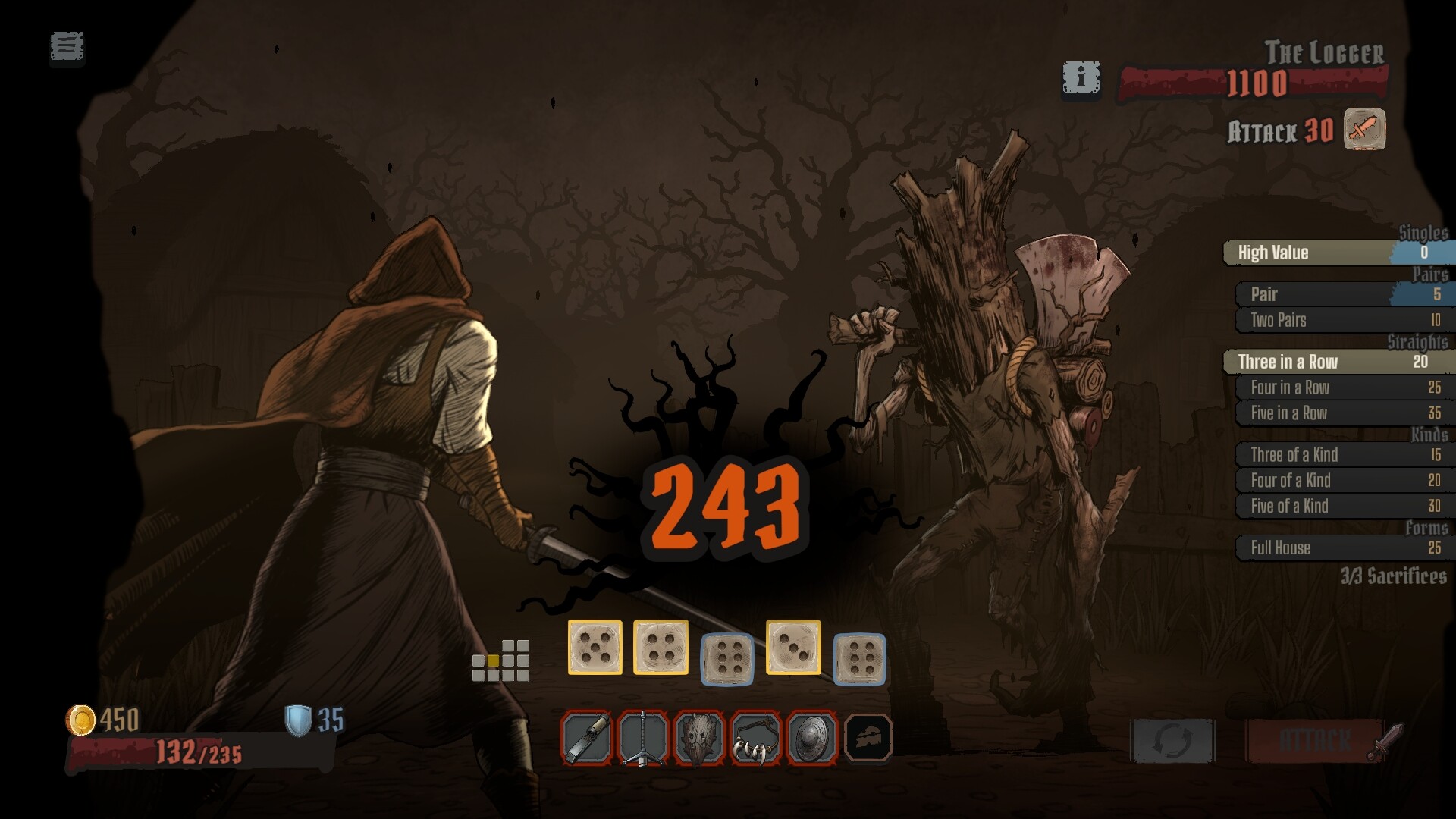
GrimKeep runs are won on the node map before they are won on the dice tray. Resolution Games’ single-player roguelite dice-builder turns every journey into a budget of gold, HP, and inventory slots. You choose shops, elites, campfires, and stranger encounters at crossroads; those choices decide whether Mult spikes arrive before the region boss — or whether you arrive soft and die to a telegraph you could have blocked. This guide is the pathing handbook: how Outskirts demo routing differs from the multi-region full game, how to weigh risk-reward nodes, when full-game shortcuts matter, when to greed Duplicator / Crucible / Ritual, and what the brief death minigame is asking of you. Start from Getting Started if you are brand new, keep Items & Encounters open for craft-node decisions, compare scope on Demo vs Full Game, and check the calendar on the release date page.
How the node map thinks
Most nodes are combats. Between them the map offers:
- Shops — convert gold into Mult seeds, bag cuts, heal tools, or special dice.
- Elites — timed power spikes with harder intents and better rewards.
- Campfires — recovery that turns greedy Mult lines into survivable ones.
- Encounters — optional variance (including crafting statues and story beats) that can print value or tax you.
Treat the map like a budget, not a sightseeing tour. Early fights pay for shops. Shops pay for bag quality. Bag quality pays for elites. Elites pay for the spike you need before the boss. Campfires repay greed. Random encounters only make sense when HP and gold buffers can absorb a bad story beat.
A clean first-clear pattern that still works after you leave the demo mindset:
- Two or three early fights → gold plus one Mult or consistency seed.
- First shop → upgrade the seed, cut a weak die.
- Optional elite only if intents look manageable and defense exists.
- Mid shops → special dice that match the seed (poison / heal / gold).
- Crafting encounters when inventory fills with near-misses or a best-in-slot copy target.
- Campfire before the boss if HP is the limiting resource.
- Boss with a bag that rolls your sentence more often than not.
Outskirts demo region vs multi-region full game
The Steam Next Fest demo taught the loop inside the Outskirts: opening nodes through a boss fight, with The Huntress and The Beast available immediately and The Feral unlockable. That slice is intentionally readable — one featured region, a short climb, and persistent upgrades between journeys so failed runs still teach the bag.
The full game launching November 30, 2026 for $14.99 on Steam and PlayStation 5 expands into multiple regions beyond the Outskirts. Monster HP and intent damage climb as biomes deepen. That means Outskirts habits still apply, but the cost of a bad crossroads rises: skipping every campfire to chase three crafting nodes may clear the demo boss and still brick a later region. Multi-region routing should accelerate item identity rather than collecting “maybe later” trinkets. Shortcuts (see below) exist partly so experienced players can reshape that longer campaign without always taking the scenic path.
Shops, elites, campfires, encounters — risk and reward
Shops are where sentences become hardware. Enter with a shopping list: Mult piece, bag cut, heal tool, or gold tool — not “whatever is expensive.” Sell or skip traps that dilute the bag. If you are still hunting a seed, shops usually outrank Crucible and Ritual.
Elites are timed spikes. Take them when defense and Mult can survive the intent wall, not when you are curious. An elite before a Mult seed is often a donation. An elite after a coherent Mult item and a heal tool is how mid-run power jumps.
Campfires are not optional flavor. They are the difference between a greedy Mult line and a dead run. If the next visible nodes are elite → elite → boss with no rest, take the campfire branch even when a shiny encounter beckons.
Encounters are optional variance. Some print gold or items; some tax HP; some open the crafting systems covered in Items & Encounters. Roll them when buffers exist. Skip them when you are one telegraph away from a wipe.
Map shortcuts in the full game
Official full-game feature lists call out shortcuts on the map for advanced routing. Think of them as express lanes unlocked by knowledge and progress rather than free teleports past every threat. Use shortcuts when:
- Your build is already online and extra filler fights only dilute focus.
- You need to reconnect to a shop or campfire branch you would otherwise miss.
- You are practicing a specific boss or region lesson and want a tighter loop.
Do not treat shortcuts as an excuse to arrive undergeared. A short path into a hard region with no Mult seed is still a short path to Death.
When to greed Duplicator, Crucible, or Ritual
Crafting nodes are high-variance shops with different failure modes.
- Crucible — greed when you hold two near-miss items and a fused result would concentrate Mult or defense. Remember input order can change outcomes; this is melt science, not a coin flip for its own sake.
- Ritual — greed when a core keeper is correct but missing a rider, and you can survive a miss. Skip Ritual when the next elite will punish a soft kit.
- Duplicator — greed when a best-in-slot piece is already honest and you have a discard plan. Demo patch notes fixed a full-inventory soft-lock; still never enter without knowing what you will leave behind.
Pathing rule of thumb: if taking the craft node skips the only campfire before a boss, take the campfire. Dead heroes do not enjoy duplicated necklaces.
Death minigame — dice with Death
When a run ends, GrimKeep leans into its Swedish fairytale-horror tone with a brief death minigame: you face Death across the dice, a wink at Ingmar Bergman’s The Seventh Seal. It is flavor and closure more than a second campaign. Treat it as a moment to breathe, note why the map choice failed, and queue the next journey with one corrected variable — bag cut, shop list, or elite timing — instead of tilting into the same greed path.
Common routing failures
- Racing elites before a defense plan exists.
- Visiting every crafting statue while starving shops of gold.
- Skipping campfires to “save time.”
- Entering Duplicator with a full inventory and no discard plan.
- Assuming Outskirts-safe greed still works in later full-game regions.
- Ignoring shortcuts that reconnect you to the shop you actually need.
Putting it together
Good GrimKeep routing is boring in the best way: gold in, seed out, elite when ready, campfire when soft, craft when the sentence is clear. The dice still decide faces, but the map decides whether those faces ever get a fair Mult stack. For loot system detail, continue on Items & Encounters. For what changes after the Next Fest slice, read Demo vs Full Game. For day-one habits, return to Getting Started. Mark November 30, 2026 on the release date page, then practice reading every crossroads like a budget — because in GrimKeep, the path is the build.
Frequently Asked Questions
Quick answers to the most common questions.
What should I prioritize on the early map?
Early fights for gold, then a shop that buys one Mult or consistency seed and cuts a weak die. Save elites until defense and Mult can handle the intents.
How does Outskirts routing differ from the full game?
Outskirts is the demo’s single featured region. The full game adds multiple regions with rising monster pressure, so skipping campfires and over-greeding craft nodes is much more punishing.
When should I take a shortcut?
When your build is already online or you need to reconnect to a shop or campfire branch. Shortcuts are advanced routing tools, not a free pass into undergeared bosses.
When is it safe to greed Crucible, Ritual, or Duplicator?
Crucible for near-miss fusions, Ritual when you can afford a missed rider, Duplicator when a best-in-slot piece is safe to copy and inventory has a discard plan — never ahead of a needed campfire.
What is the death minigame?
A short post-run dice encounter with Death inspired by Bergman’s The Seventh Seal. Use it as a breather, then fix one routing mistake on the next journey.